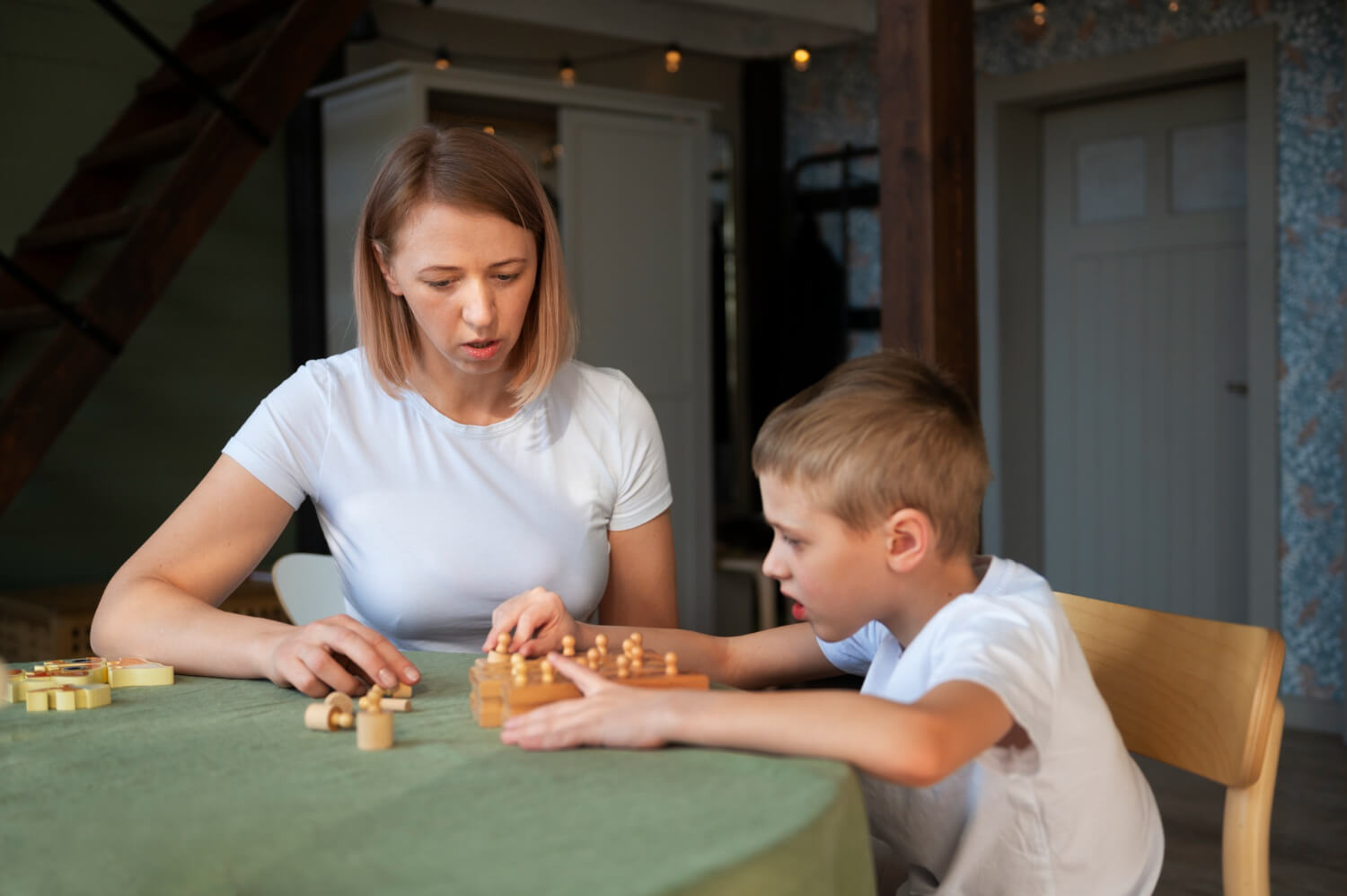
Toddler Toys: Educational Developmental and Early Learning Toys for Baby and Infants
Educational and Developmental Toys for Babies and Toddlers: A Guide to Play That Builds Skills
For a baby or toddler, play is not a break from learning; it is learning. Every time a child stacks a block, rolls a ball, or feeds a toy bear a pretend snack, they are building the brain connections behind language, movement, problem-solving, and relationships. The right toys can gently support this remarkable growth, but the most important ingredient is often simpler and cheaper than the toy aisle suggests: a caring adult playing alongside them.
This guide explains how toys support each area of a young child’s development, how to choose good toys by age, what makes a toy genuinely valuable, and why simple, hands-on play with a caregiver beats flashy electronics almost every time.
About this guide. This is an educational overview for parents and caregivers, drawing on pediatric guidance and research. It focuses on how play supports development rather than recommending specific products. Every child develops at their own pace, so treat these ideas as a flexible guide, not a checklist. It is not medical advice.
Why Play and the Right Toys Matter for Your Baby’s and Toddler’s Development
The early years are a period of astonishing brain growth, with more than a million new neural connections forming every second. Those connections are built through experience, and play is a child’s main way of gathering that experience. Touching, stacking, dropping, sorting, and pretending each strengthen a different developmental pathway.
According to the American Academy of Pediatrics, a toy’s most important quality is its ability to bring caregiver and child together in warm, language-rich play. In other words, the best “educational toy” is often you, sitting on the floor, talking and playing along.
This back-and-forth interaction is the engine of early learning, supporting a child’s language, thinking, and emotional growth all at once. It is the same responsive, connected relationship we describe in our guide to the early recognition of social and emotional needs.
How Different Types of Toys Support Each Area of Development
Well-chosen toys nurture the whole child across every developmental area. Balls, push toys, and ride-ons encourage gross motor skills like balance and coordination. Blocks, shapes, and puzzles build fine motor control along with problem-solving and early math and spatial thinking. Dolls, toy animals, play food, and dress-up items invite pretend play, which is a powerful driver of language, imagination, and social-emotional growth.
Simple art materials such as crayons, paper, and clay spark creativity and fine-motor skills, and sensory toys with varied textures and sounds support early exploration. Because movement and imagination matter so much, toys that get a child’s body and mind active tend to offer far more than a screen. Motor development, in particular, connects to the areas covered in our guide to pediatric physical therapy.
Choosing the Best Educational Toys by Age, from Newborn to Toddler
A great toy meets a child where they are developmentally. The table below offers a general guide to what young children are working on at each stage and the kinds of toys that support it.
| Age | Developing | Good toy choices |
|---|---|---|
| 0–6 months | Senses, focus, reaching. | Rattles, soft toys, unbreakable mirrors, high-contrast items. |
| 6–12 months | Grasping, cause and effect. | Stacking cups, soft balls, board books, simple pop-up toys. |
| 1–2 years | Walking, building, first words. | Blocks, shape sorters, push and ride-on toys, simple puzzles. |
| 2–3 years | Imagination, problem-solving. | Pretend-play sets, crayons, larger puzzles, building blocks. |
These are general guides, not deadlines, since every child grows at their own pace. If you have questions about a child’s development, early intervention services can offer a free evaluation and support, well before the school years.
What to Look for in a Good Developmental Toy
You do not need the newest or most expensive toy. In fact, price does not predict developmental value, a plain cardboard box can spark more learning than half the toys in the aisle. The qualities in the table below matter far more.
| Look for | Why it matters |
|---|---|
| Open-ended play | Toys used in many ways spark imagination and problem-solving. |
| Safe and age-appropriate | No small parts or hazards for the child’s stage. |
| Invites interaction | The best toys bring child and caregiver together in play. |
| Hands-on, not screen-based | Active, physical play builds more skills than passive screens. |
A simple test is to imagine the toy in a child’s hands: does it invite them to do the thinking, moving, and pretending, or does it mostly do the “playing” for them? The former builds skills; the latter tends to hold a child’s attention without much learning.
Why Simple Toys and Caregiver Play Beat Screens and Electronic Toys
Toys that light up, talk, and beep can be appealing, but research suggests they often deliver less than they promise. Electronic toys tend to reduce the number of words both children and parents speak during play, which means fewer of the language-building conversations that matter most. When a toy does the “playing,” a child can end up taking a backseat to the machine.
The American Academy of Pediatrics is clear that digital toys should never replace real, face-to-face play. On screens more broadly, the AAP recommends avoiding screen media, aside from video chatting, for children under about 18 to 24 months, and limiting high-quality screen time to roughly an hour a day for ages 2 to 5, always with a caregiver watching and talking along.
None of this means electronics are forbidden; it simply means the richest learning happens in warm, unhurried, back-and-forth play. That connection is the foundation we champion in our guide to nurturing mental health, resilience, and recovery in children.
Toys and Play for Children with Developmental Differences
Play is just as powerful, and sometimes even more important, for children with developmental differences. For autistic children in particular, research has found that traditional toys support more spoken language and richer parent-child interaction than electronic ones, which is why many play-based supports favor simple, hands-on toys. Sensory preferences also matter, so it helps to notice which textures, sounds, and movements a child enjoys or finds overwhelming.
Thoughtful play can gently support communication, motor, and social skills, working alongside any therapies a child receives. Our guides to autism and behavioral health, speech sound disorders, and echolalia show how communication support can be woven into everyday play, and our overview of therapy programs for children and teens can help if a child needs extra support.
Where to Find Trusted Guidance on Toys, Play, and Child Development
For reliable, noncommercial information on toys and early development, the resources below come from pediatric experts and peer-reviewed research.
American Academy of Pediatrics (HealthyChildren.org). Family-friendly guidance on choosing toys for babies and young children at healthychildren.org.
AAP clinical report. Selecting Appropriate Toys for Young Children in the Digital Era, in Pediatrics, available at publications.aap.org.
The best developmental toys are rarely the loudest or the priciest. They are the ones that invite a child to move, imagine, build, and connect, ideally with a loving adult right beside them. By choosing simple, open-ended, age-appropriate toys and, above all, showing up to play, families give their little ones the richest possible foundation for a lifetime of learning.
About the information in this guide. The guidance on toy selection, play, and screen use reflects recommendations from the American Academy of Pediatrics and related research, including studies on how toy type affects children’s language during play. Every child is unique, so please adapt these ideas to your child and consult your pediatrician with any questions about development.
References and Citations
American Academy of Pediatrics. Toy Buying Tips for Babies & Young Children: AAP Report Explained (HealthyChildren.org). Available at: healthychildren.org
Healey, A., Mendelsohn, A., et al. Selecting Appropriate Toys for Young Children in the Digital Era. Pediatrics, 2019. Available at: publications.aap.org
Electronic Toys Decrease the Quantity and Lexical Diversity of Spoken Language in Children With ASD and Age-Matched Children With Typical Development. Available at: ncbi.nlm.nih.gov